Guides & Resources
Supporting a Young Person’s Mental Health
Most young people who are struggling don’t come out and say so — it shows up instead as withdrawal, a drop in mood, changes in sleep or appetite, or losing interest in things they used to care about. Supporting a young person’s mental health starts with noticing those changes early, asking about them directly and without judgment, and taking them seriously rather than waiting to see if they pass on their own.
This is a practical guide for parents, grandparents, and caregivers: what to watch for, how to open a conversation without pushing a young person further away, when professional support helps, and how culturally safe youth counselling works. If you need help right now, the crisis resources at the end of this guide are available around the clock.
Key takeaways
- Watch for changes that last — in mood, sleep, friendships, or school — not a single hard day.
- Ask directly and without judgment, and pick a low-pressure moment to do it.
- Professional support isn’t a last resort. It helps to bring a counsellor in early, not only once things feel unmanageable.
- Culturally safe counselling matters, especially for Indigenous young people carrying more than their own experience.
Signs a young person may be struggling
None of these on their own is a diagnosis, and every young person is different. What matters most is a change from how they usually are, and whether it sticks around:
- Withdrawal — pulling away from friends, family, or things they used to enjoy.
- Changes in mood — more irritable, more tearful, or flatter than usual, for weeks rather than days.
- Changes in sleep or appetite — sleeping much more or much less, eating differently than before.
- Slipping at school — grades dropping, skipping classes, or losing interest in something they used to care about.
- Talk of hopelessness or not wanting to be here — always worth taking seriously, and never something to wait out. See the crisis resources below if this applies right now.
A young person showing one or two of these for a short stretch may just be having a hard week. A pattern that persists, or that includes any talk of self-harm, is worth acting on.
How to start the conversation
The direct approach is usually the right one, but timing and setting matter. A young person is more likely to open up in a low-pressure moment — side by side in the car, on a walk, doing something else together — than in a sit-down conversation that feels like an interrogation. Ask plainly what you’ve noticed, without assuming you know what it means, and let them tell you.
If they don’t want to talk, that’s common, and it isn’t a dead end. Let them know you noticed, that you’re available when they’re ready, and that needing help isn’t something to be ashamed of. Some young people find it easier to talk to someone who isn’t a parent — a counsellor, a trusted relative, or another adult they respect.
When to bring in professional support
Professional support isn’t only for the worst moments — it helps to bring a counsellor in while things are still manageable, not just once they feel like a crisis. Consider reaching out to a counsellor if the signs above last more than a couple of weeks, if they’re getting worse rather than better, or if you’re simply not sure and would rather ask than wait. None of that means something is deeply wrong; it means getting a second, trained perspective on what your family is dealing with.
If a young person is talking about self-harm or you’re worried about their immediate safety, that’s different from a “wait and see” situation — reach out for support right away, using the crisis resources below if you need something immediate.
Why culturally safe counselling matters for Indigenous youth
For Indigenous young people, what looks like a personal struggle can be tied to something bigger — family history, disconnection from culture and community, or the weight of intergenerational trauma that reaches a young person without them ever having lived through the original events themselves. A counsellor who already understands that context, rather than needing it explained first, can build trust faster and meet a young person where they actually are. That’s what culturally safe care means in practice — not a description of any specific ceremony or tradition, but an approach to counselling that takes a family’s full context seriously from the first session.
How Ch’íyáqtel Wellness can help
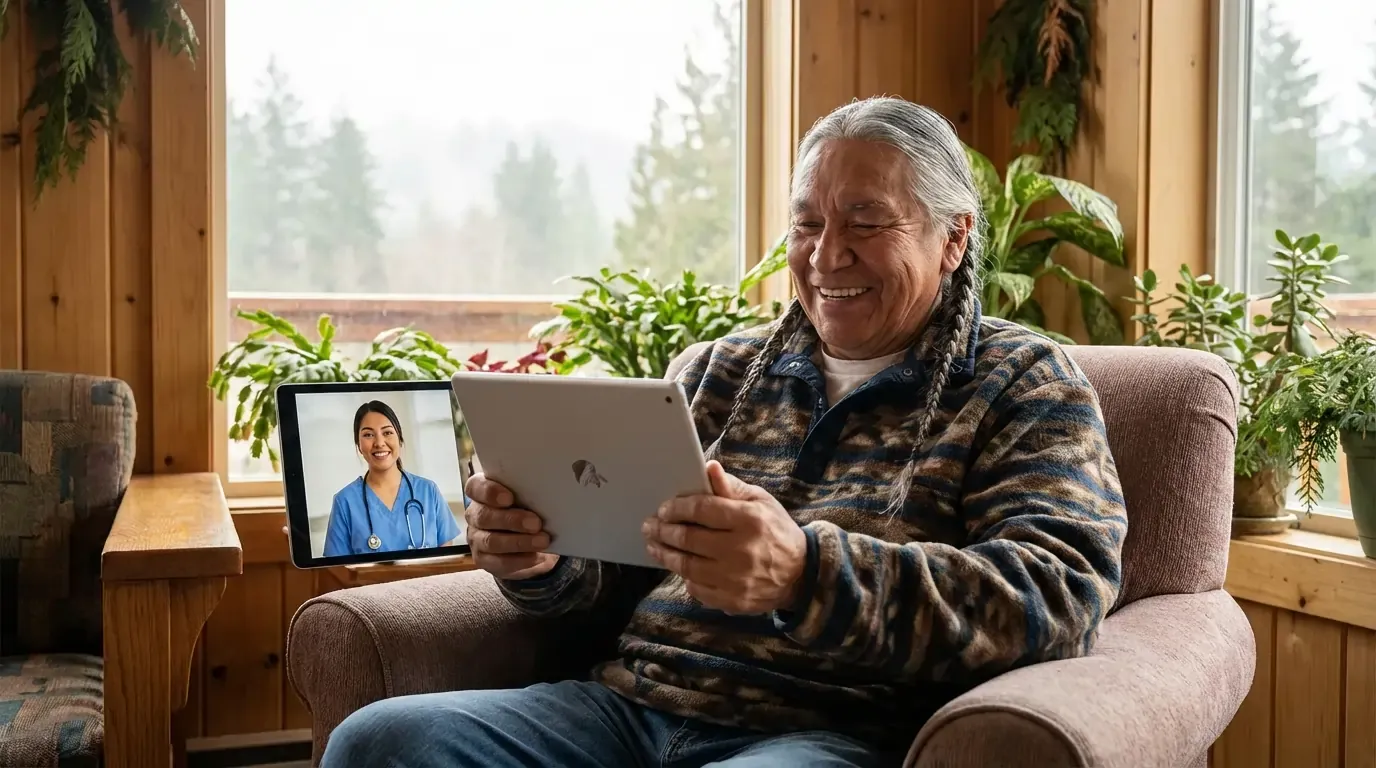
Our youth and family counselling is for young people, for families together, or a mix of both, depending on what your family needs — and that can change as you go. Sessions run by video or phone anywhere in British Columbia, or in person on Stó:lō territory in Chilliwack, and nobody is made to talk before they’re ready. Our counsellors are FNHA-registered and bill FNHA directly, so we’ll help you check your family’s eligibility before anything is booked. If you’re not sure where to start, get in touch and we’ll help you work out what makes sense.
If you need support right now
If a young person is in crisis or talking about not wanting to be here, these Indigenous-specific lines are available around the clock:
- KUU-US Crisis Line — First Nations and Aboriginal crisis support for all of BC, staffed by Indigenous responders, 24/7: 1-800-588-8717.
- Hope for Wellness Helpline — national, 24/7 phone and online chat support for Indigenous people across Canada, in English and French: 1-855-242-3310.
- 9-8-8 Suicide Crisis Helpline — call or text 988, anywhere in Canada, any time.
Common questions
How do I know if this is normal teenage behaviour or something more serious?
Some moodiness and pulling away are typical as young people grow up. What’s worth paying closer attention to is a change that lasts more than a couple of weeks and doesn’t let up — in mood, sleep, appetite, friendships, or how they’re doing at school. A single bad week usually isn’t cause for alarm; a pattern that keeps going, or getting worse, is worth taking seriously.
My teenager won’t talk to me. What do I do?
That’s common, and it doesn’t mean they don’t need support. Try asking without an agenda, in a low-pressure moment — side by side in the car, on a walk — rather than sitting them down for a serious talk. If they still won’t open up to you, a counsellor they don’t have a prior relationship with can sometimes be easier for a young person to talk to than a parent.
Is youth counselling covered for First Nations families in BC?
For eligible First Nations youth and families in British Columbia, FNHA’s Mental Health & Wellness benefit may cover counselling sessions with an FNHA-registered provider. Coverage depends on individual eligibility, so it’s worth checking before you book rather than assuming either way.
What if my child needs help right now?
If a young person is in crisis, talking about self-harm, or you’re worried about their immediate safety, don’t wait for a scheduled appointment. Indigenous-specific crisis lines are available around the clock: the KUU-US Crisis Line at 1-800-588-8717, the Hope for Wellness Helpline at 1-855-242-3310, or the 9-8-8 Suicide Crisis Helpline by calling or texting 988.
Does the whole family need to be involved, or just my child?
Either can work, and it doesn’t have to be one or the other. Some young people do better with a space that’s just theirs; some families need to work through something together. A counsellor can help you figure out what makes sense for your family, and that can change over time.