Guides & Resources
How to Find an FNHA-Registered Counsellor in BC
If you’ve searched for an “FNHA counsellors list” or a “NIHB mental health provider list” and come away confused, you’re not alone. First Nations Health Authority (FNHA) doesn’t publish one simple, browsable public directory the way you might expect. It maintains a network of registered mental-health providers and confirms coverage on a case-by-case basis through its Health Benefits program. This is a plain guide to how that actually works — not a pitch, just the process.
What “FNHA-registered” means
FNHA’s Mental Health & Wellness benefit, part of its Health Benefits program, covers counselling with providers who’ve registered with FNHA. Registration is FNHA’s own process — it isn’t something a clinic can claim without going through it, and it isn’t the same as a counsellor simply being licensed to practise in BC. If a provider tells you they’re FNHA-registered, that’s a specific, checkable status, not a general claim of quality.
How to actually find a provider
FNHA’s own Mental Health Providers page, at fnha.ca/benefits/mental-health-providers, is the starting point — it’s the official source, and it’s the one to trust over a third-party summary (including this one). From there, FNHA’s Health Benefits team can also help you directly: their contact page has current phone and email details, since we’d rather point you to FNHA’s own up-to-date contact information than print a number here that could change.
Before you commit to a provider, it’s worth checking your own eligibility first — FNHA’s Health Benefits eligibility page explains who qualifies and how status is confirmed. Coverage depends on your individual eligibility and your remaining benefit for the year, so this is a “check first” step, not an assumption to make going in.
FNHA or NIHB: what “NIHB counselling” actually means
If you’ve searched for “NIHB counselling” or an “NIHB mental health provider list,” it helps to know how the two programs relate. Non-Insured Health Benefits (NIHB) is the federal program, run by Indigenous Services Canada, that covers eligible First Nations and Inuit across most of Canada. In British Columbia, mental-health benefits for most First Nations people are administered by FNHA instead — so in BC, the FNHA process above is usually the relevant one, while NIHB is what many people are covered under elsewhere in the country.
The two are related but not identical, and a counsellor who bills one may not bill the other. Which program applies to you depends on your status and where you live, so it’s worth confirming before you book rather than assuming. NIHB’s own mental-health counselling benefit, on the Indigenous Services Canada website, is the official source for how it works outside BC and who qualifies — the same “check first” step applies there as it does with FNHA.
What to ask a counsellor before you book
Whichever provider you’re considering, a few direct questions save you a lot of back-and-forth later:
- Are you currently registered with FNHA, and can you bill FNHA directly, or will I need to pay and claim it back myself?
- Do you have experience working with First Nations clients and with intergenerational or residential-school trauma specifically?
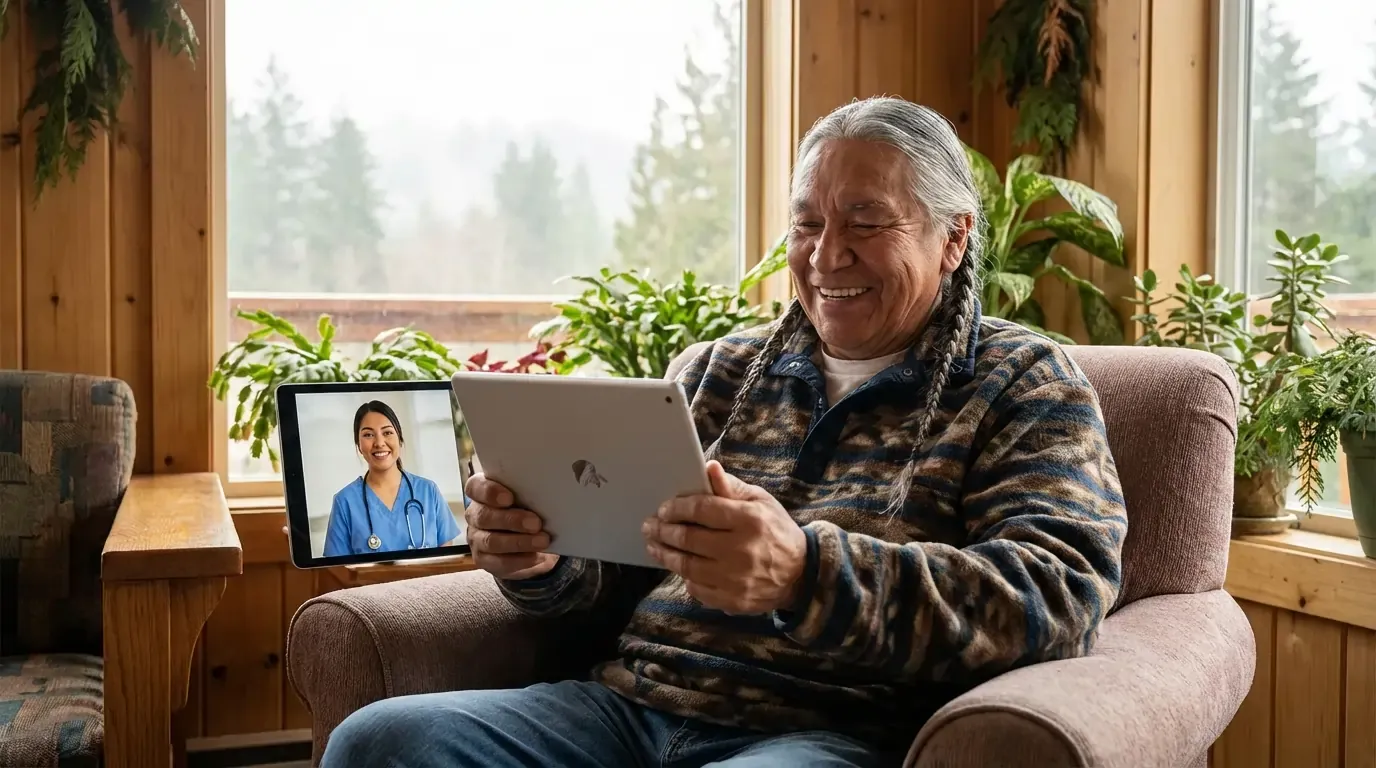
- Is care delivered in person, by video, by phone, or some mix — and does that change anything about coverage?
- What happens if my eligibility or benefit runs out partway through care?
A provider who can answer these plainly, before you’ve committed to anything, is generally a good sign.
Where Ch’íyáqtel Wellness fits into this
We’re one option among the providers FNHA registers, not the registry itself, and we’re not going to pretend otherwise. Ch’íyáqtel Wellness is an Indigenous-led counselling practice on Stó:lō territory in Chilliwack, and our counsellors are FNHA-registered and bill FNHA directly, so eligible members don’t have to pay up front and claim it back. If checking your eligibility and finding a registered provider feels like the hard part, we’re glad to help you check where you stand — whether or not you end up seeing us. You can read more about FNHA counselling with us or get in touch to ask.